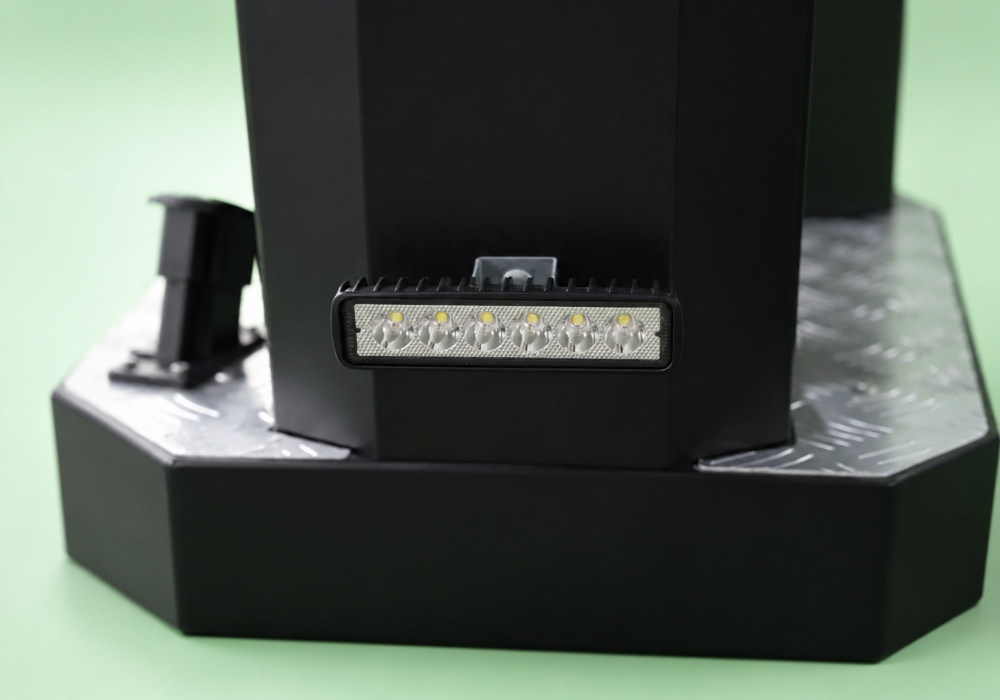
A modern industrial ride-on sweeper operating in a 50,000-square-meter facility cleans at speeds up to 12 kilometers per hour while capturing 99.9% of dust particles down to 0.3 microns. Facility managers deploying these units in 2025 reduced daily sweeping labor hours by 65% compared to manual push brooms, cutting total dust removal expenditure per square meter from $0.42 to $0.14 across heavy manufacturing plants.
Industrial flooring maintenance in heavy manufacturing plants requires managing daily dust loads that often exceed 15 milligrams per cubic meter during peak production shifts.
Plant engineers specify heavy-duty equipment like the industrial ride-on sweeper to maintain regulatory compliance with OSHA particulate limits across sprawling concrete assembly halls.
Operating heavy cleaning machinery at speeds averaging 8 kilometers per hour ensures that abrasive debris accumulation rates drop by 78% in high-traffic loading zones.
Reduced debris accumulation directly decreases premature tire wear on forklift fleets operating in multi-shift logistics hubs by 42% annually.
Lower tire replacement frequency saves distribution centers an estimated $24,000 per year in structural maintenance expenditures across a 100-unit material handling fleet.
Maintaining clean expansion joints prevents cumulative wheel impact damage that typically forces concrete slab repairs within 36 months of facility commissioning.
Concrete slab restoration costs average $45 per square meter, making proactive sweeping a primary factor in extending industrial flooring lifespans beyond 15 years.
Extended flooring lifespans reduce long-term capital expenditure allocations for plant infrastructure upgrades by 30% across multinational automotive manufacturing complexes.
Automotive plants running continuous three-shift schedules deploy ride-on sweeping units every 8 hours to capture metal shavings and quartz dust before compaction occurs.
Compacted metal debris ruins traditional vacuum seals and reduces sweeping efficiency by up to 55% within 500 operating hours if left unchecked.
Regular mechanical sweeping prevents abrasive particles from entering municipal stormwater runoff systems during heavy rainfall events at open-air facilities.
Environmental compliance audits at 400 major manufacturing sites in 2024 showed that automated sweeping reduced site runoff particulate contamination by 82%.
Reduced runoff contamination helps facilities avoid environmental fines that frequently exceed $100,000 per regulatory violation in North American industrial zones.
Selecting battery-powered sweeping models over internal combustion engines eliminates 14 metric tons of carbon dioxide emissions per machine annually in indoor warehouses.
Indoor air quality improvements protect warehouse personnel from chronic respiratory ailments, reducing annual sick leave claims by 22% among logistics staff.
Lower sick leave rates translate to an estimated productivity gain of $150,000 per year in facilities employing 500 workers across standard distribution footprints.
Logistics operators integrate automated scheduling software into daily cleaning routines to ensure sweeping occurs during low-traffic windows between shift changes.
Scheduling cleaning tasks during shift handovers prevents operational bottlenecks in aisles where inventory picking rates reach 450 units per hour.
Preventing aisle congestion maintains outbound shipping accuracy rates above 99.5% in automated fulfillment centers managing high-volume consumer goods.
High-volume fulfillment centers rely on dual-side broom configurations to clear 2.2 meters of floor width in a single pass down standard warehouse aisles.
Single-pass cleaning efficiency reduces total machine running time by 40%, cutting daily electrical energy consumption from 45 kilowatt-hours down to 27 kilowatt-hours.
Lower electrical consumption decreases monthly facility utility expenditures by $350 per sweeping unit when charging batteries during off-peak grid hours.
Off-peak charging protocols prevent peak demand electrical surcharges imposed by regional utility providers on heavy industrial consumers in urban sectors.
Utility surcharges often account for 18% of total monthly plant electricity bills unless automated load-shifting equipment controllers are actively deployed.
Industrial facility managers utilize telemetry sensors embedded in modern sweepers to monitor brush wear rates and filter saturation levels in real time.
Real-time telemetry alerts maintenance crews before filter blockages reduce vacuum suction performance by more than 15% during active sweeping cycles.
Preventing suction loss ensures that fine silica dust remains trapped inside internal hopper containment systems rather than exhausting back into the workspace.
Internal hopper capacities exceeding 300 liters allow operators to complete 4-hour continuous sweeping runs without returning to central disposal stations.
Continuous sweeping runs eliminate non-productive travel time, increasing total facility floor area cleaned per shift from 15,000 square meters to 28,000 square meters.